An electric vehicle problem becomes more than an annoyance when the same warning light, charging failure, or power loss returns after a shop visit. A deadline may apply to a warranty-related matter, but the immediate concern is often the repair record. Dashboard alerts can disappear, charging-app messages can be overwritten, and a vague service note may not capture the fault you reported.
A repeat battery warning or failed charging session is worth looking at now. The dates, mileage, repair orders, and time the vehicle spent at the shop are easier to trace while the service history is still complete and the original complaint is clear.
Charging failures and warning lights
Owners often call about a vehicle that will not charge at home, stops charging at a public station, or shows a charging-system warning after being plugged in. Other complaints include a sudden reduced-power message, a battery warning light, or a vehicle that will not start after charging overnight.
Some drivers describe range dropping far faster than expected, even after a full charge. Others report repeated trips to the dealer for the same screen alert, battery message, or loss of propulsion. These sound similar from the driveway, but the repair orders, diagnostic notes, and warranty history can point to very different issues.
Case file review
We begin by reviewing the purchase or lease agreement, repair orders, and the dates the vehicle went into and out of the shop. We also read correspondence with the dealer, service department, manufacturer, or roadside assistance provider. The VIN helps us match the vehicle to the documents and service history.
The first conversation usually establishes the main fault, the basic repair sequence, whether the vehicle was bought or leased, and where it was serviced. The paperwork is needed to check mileage at each visit, the stated concern, the technician findings, the repairs performed, and whether the same complaint appears again.
Repair attempts and warranty records
The number of repair attempts matters, especially where repair orders describe the same charging, battery, propulsion, or warning-light concern. The dates out of service also matter. A vehicle may be at a shop for a diagnosis, a battery component, a software update, or a part that has not arrived.
Written records carry more weight than a recollection without a repair order. We look at whether the fault was reported while warranty coverage was running, whether the vehicle was bought or leased, and who holds the service documents. A strong file often has consistent mileage, complaint descriptions, technician notes, and dates that show the vehicle’s actual repair history.
Repair orders and VIN
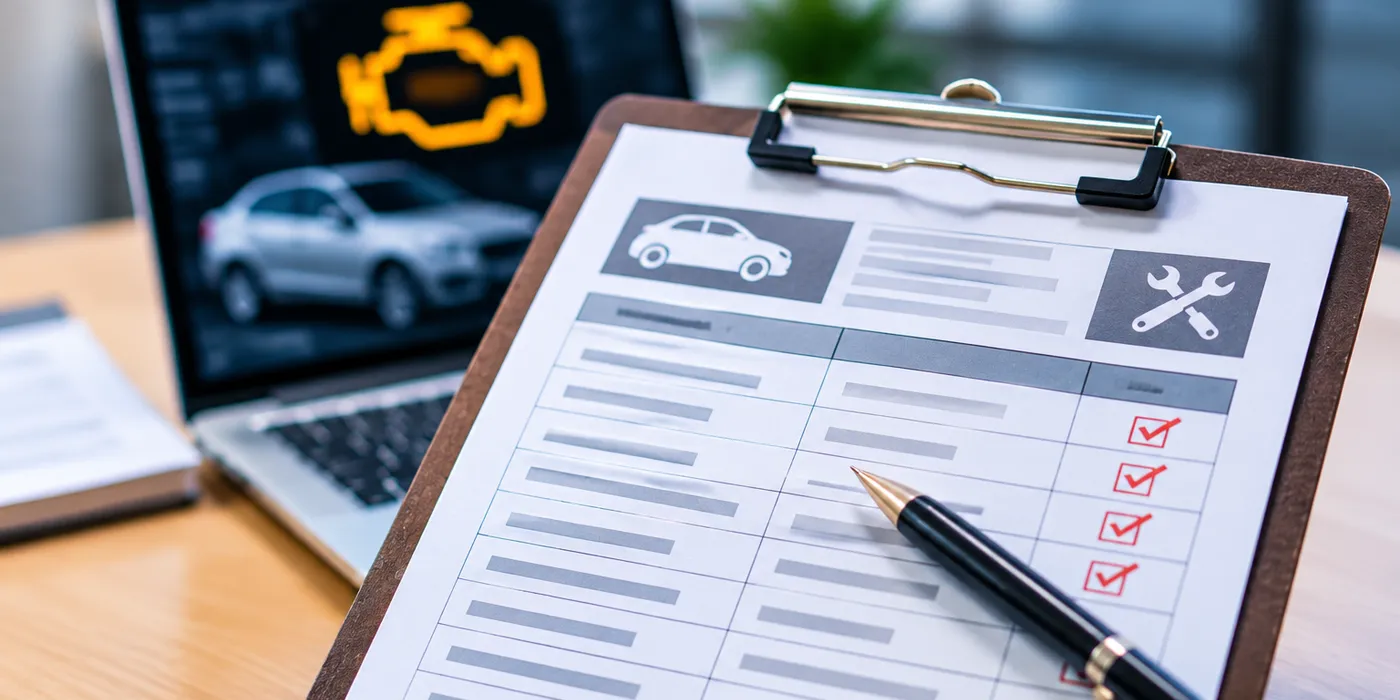
Before calling, gather the repair orders from each service visit and the purchase or lease agreement from the sale or delivery file. Check each repair order for the date, mileage, customer complaint, diagnostic result, and work performed.
Keep any charging-app screenshots, warning-light photos, tow records, and dealer emails with the repair papers. Have the VIN available from the windshield, registration, or agreement. Call Philadelphia Lemon Law Attorneys at (215) 715-5736; the charging-fault chronology becomes harder to reconstruct as dashboard messages and service records fade from view.
Looking for something else? Try vehicle recall claims or the home page.